By Greenwich Free Press
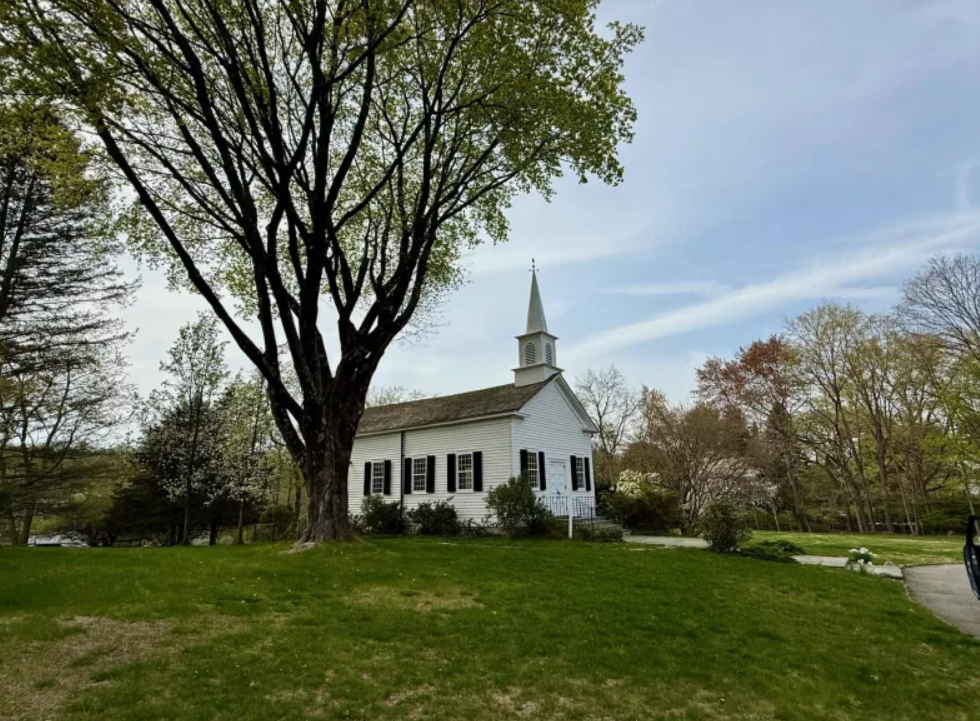
A group of about 50 people gathered at First Church of Round Hill in back country for the dedication of a newly planted tree in honor of John R. Conte Jr. Mr. Conte was president of Greenwich Tree Conservancy when he died unexpectedly on April 22, 2025.
Leslie Lee, interim president of the Greenwich Tree Conservancy, said the tree was planted in loving memory of Mr. Conte.
She shared a message from GTC founder Peter Malkin, who said that Conte shared a special combination of landscape expertise and social responsibility.
“His redesign of Greenwich Common and his concern for public spaces throughout the town complimented his many beautiful private property landscapes,” Malkin said.
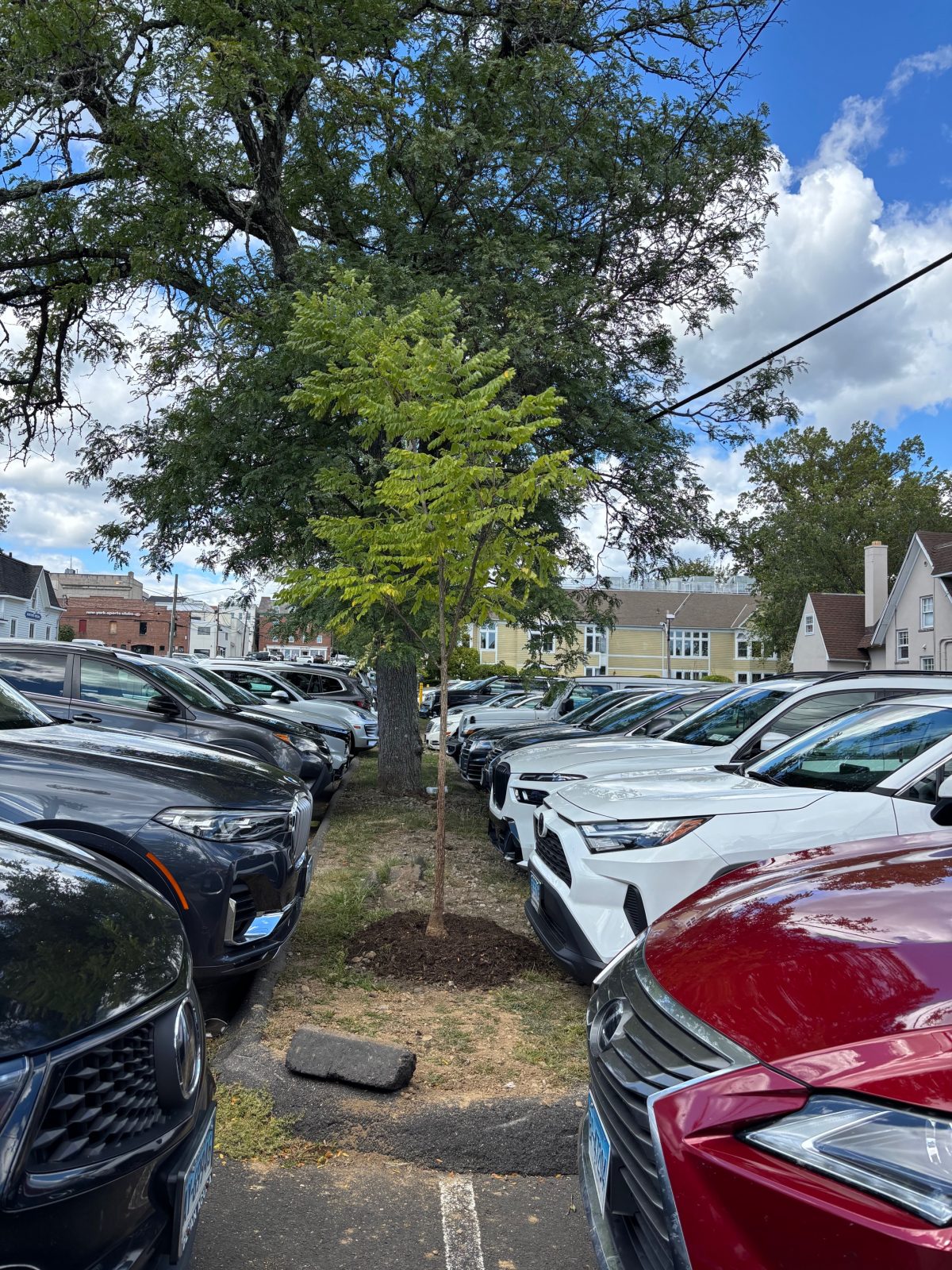
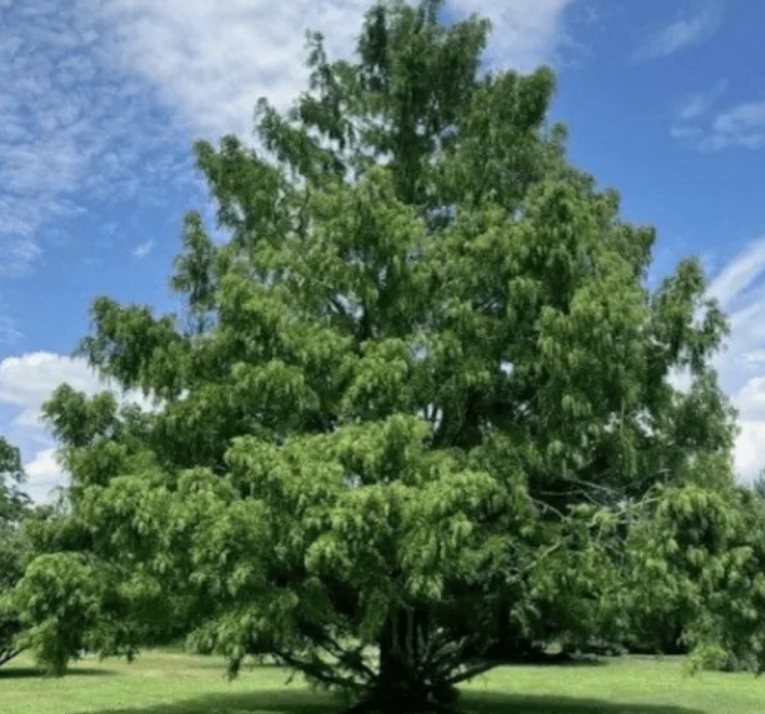
The newly planted tree was selected by the town tree warden, Dr. Greg Kramer is a Valley Forge Elm.
“This may look like a little guy right now, but it is disease resistant and will grow quickly – up to three feet a year – when fully grown it will measure up to 70 feet high with a canopy spread of 60 feet, a magnificent tribute to John for many years.”
The tree was acquired by Sam Bridge Nursery and planting donated by Conte & Conte.
Ms Lee showed a facsimile of a bronze plaque that will be permanently installed in the base of the newly planted tree in Mr. Conte’s honor.
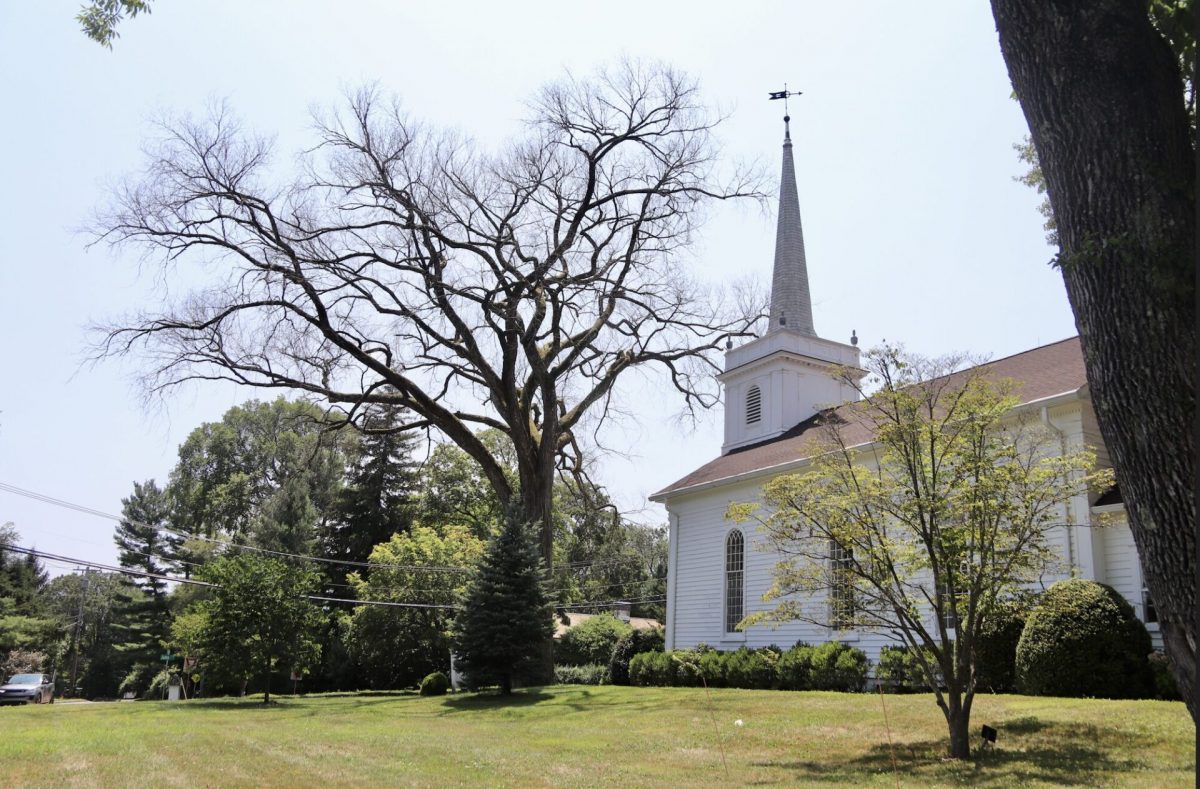
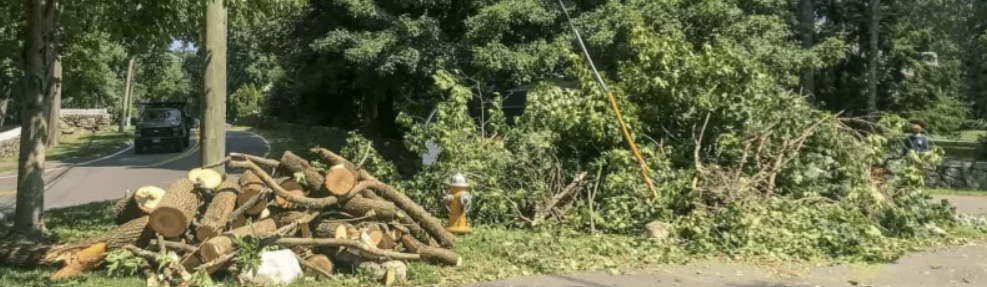
The tree was planted behind the stump of a mature Elm Tree that had died and was taken down over the summer.
Selectperson Janet Stone McGuigan read a proclamation from the Board of Selectmen describing John R. Cone Jr’s contributions to the Town of Greenwich. Conte was a licensed arborist who grew a family business into Fairfield House and Garden, specializing in landscape construction and fine home building before founding Conte and Conte, offering Landscape Architecture and Engineering Design that helped make Greenwich a greener community.
He served on the Greenwich Inland Wetlands and Watercourse Agency and the town’s Architectural Review Committee.
He also served as President of the Greenwich Tree Conservancy, Greenwich Green & Clean and the Round Hill Association. He was on the board of Family Centers, the Greenwich Chapter of the Boy Scouts, the Greenwich Land Trust and Greenwich Audubon.
John Conte’s sister Cheryl said she and her brother loved the town of Greenwich and the family moved to town in about 1950.
“He knew this was the place we wanted to build his business and have his family,” she recalled.
Cheryl Conte said their father John R. Conte Sr came to the United States from Italy at the age of 11, not speaking a word of English, and only attended school through the 8th grade, in order to work and help the family.
“Our dad was a natural salesman and a natural entrepreneur. He started his business in Greenwich with a landscaping and tree work. His love for trees led him to go to school to get a license as a tree surgeon,” she said. “The apple didn’t fall far from the tree. John Jr would accompany his dad on jobs and he would learn the names and characteristics of all the trees.”
“John grew up appreciating and loving trees and nature and beauty. I can hear and imagine my dad saying, ‘Isn’t that beautiful!’ when we drove around town.”
She described her brother as a creative genius who used his talent and gifts to benefit all those around him: the town, the world and all those privileged to know him.