New Elm Tree at First Church of Round Hill Will Honor John Conte

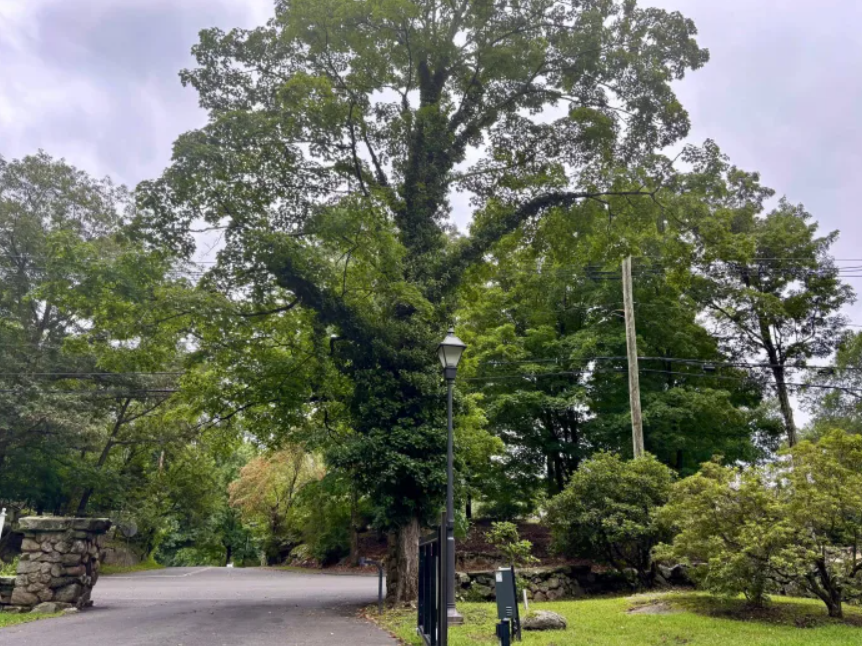
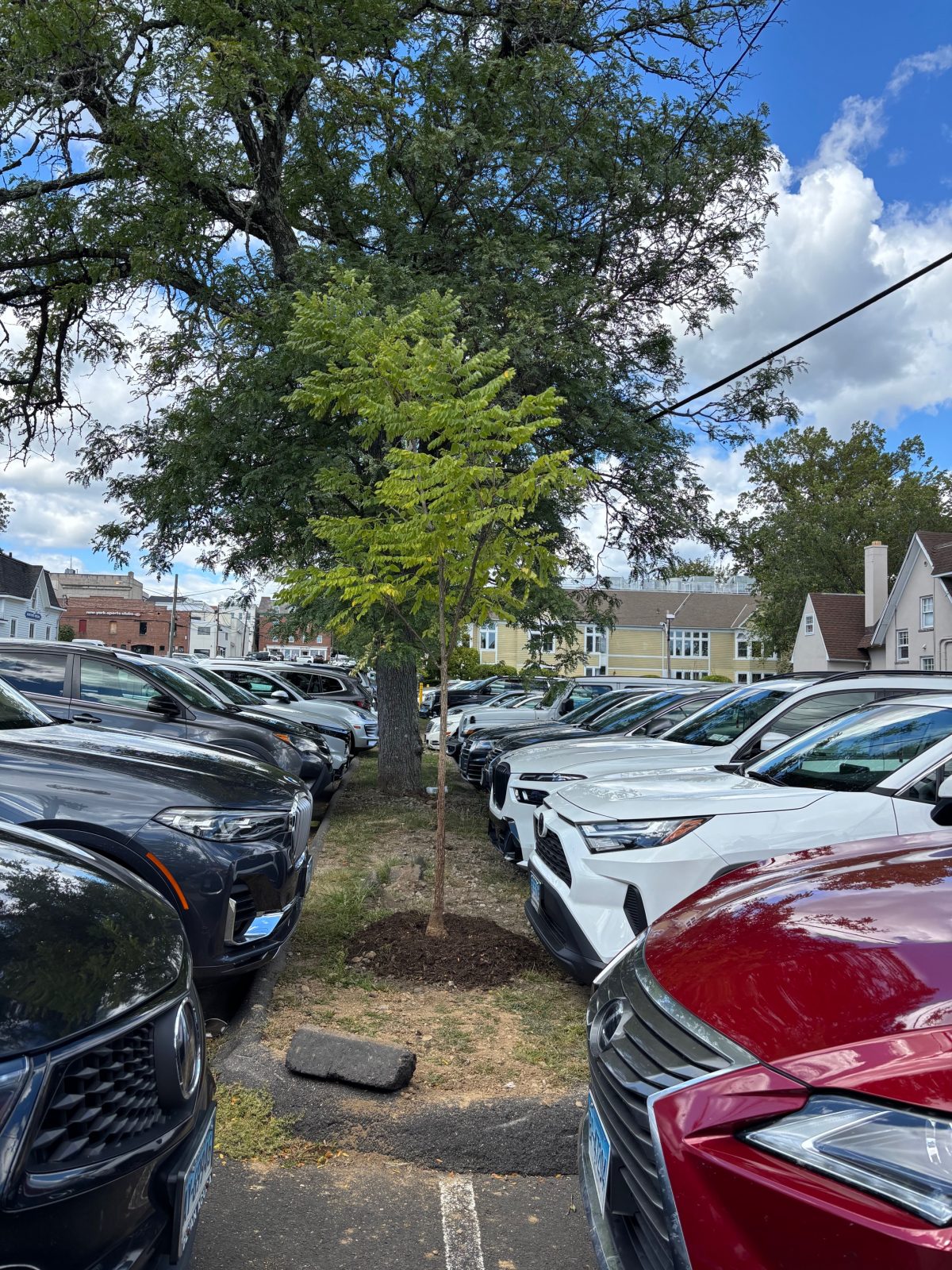
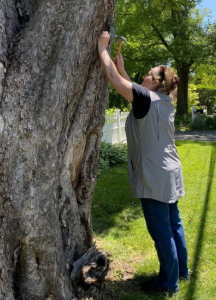
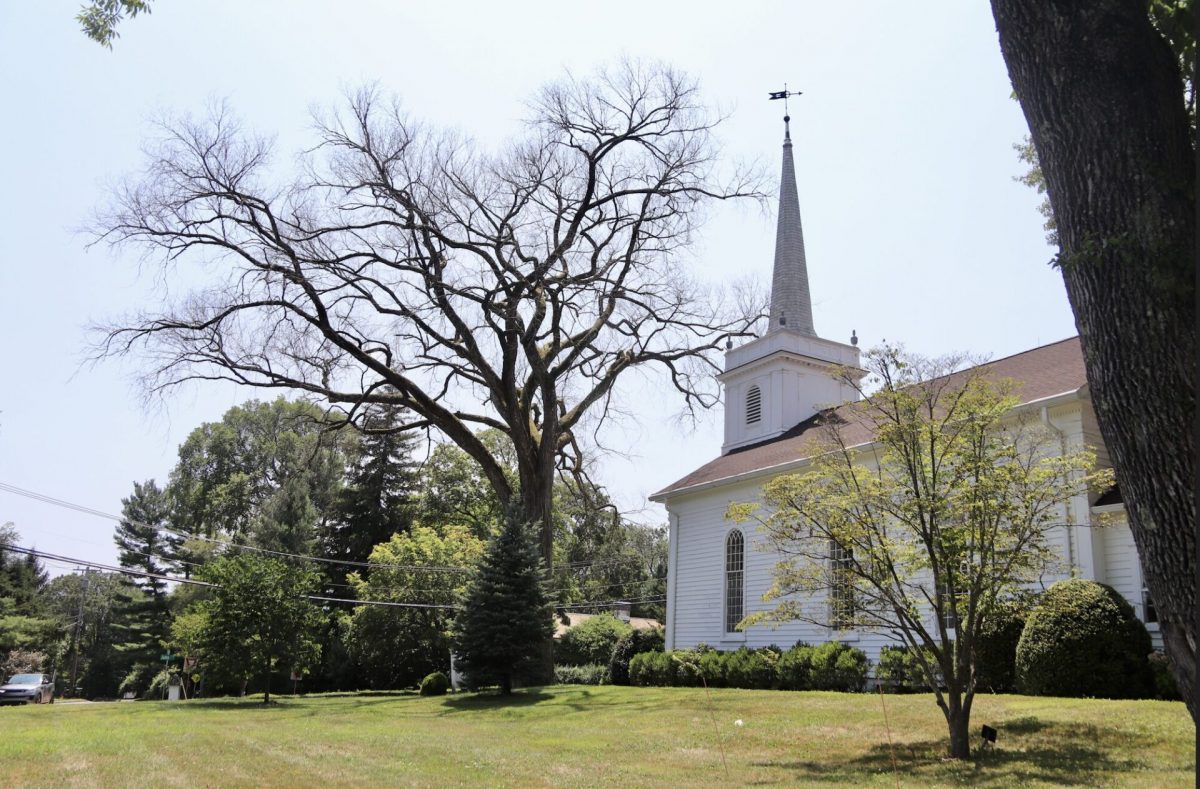
A majestic Elm Tree on the grounds of First Church of Round Hill Road in Greenwich has sadly died and must be removed. The tree, which stands prominently on the corner Round Hill Road and John Street, is a source of peace and tranquility in back country.

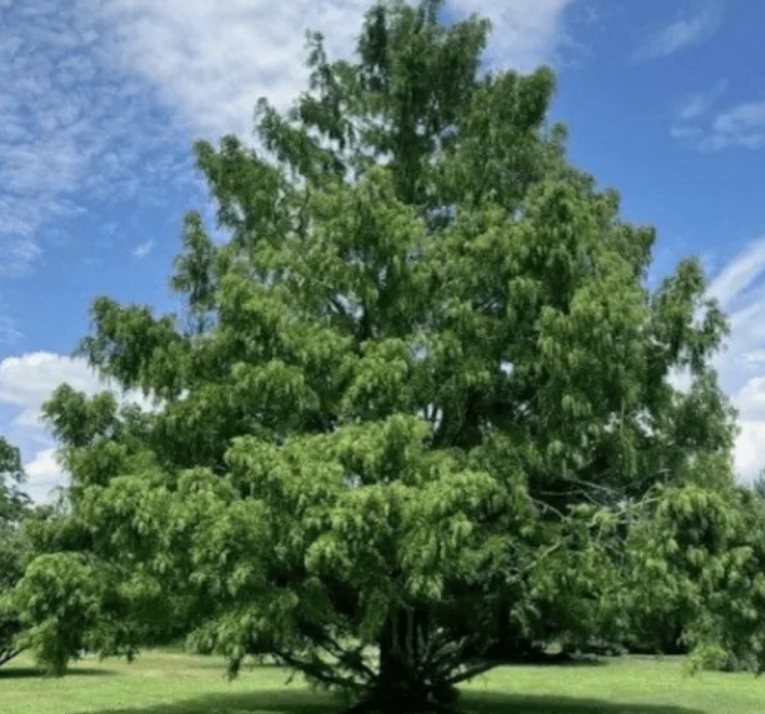
The tree, which poses a danger to the church and roadway, will be replaced with a disease resistant Valley Forge Elm Tree at the recommendation of the town tree warden, that will eventually have a similar shape and be climate resistant.

John Conte was president of Greenwich Tree Conservancy when he died unexpectedly on April 22.

Over the years he was involved with many organizations around town. In addition to his 40 years of experience in arboriculture, landscape architecture and construction, he served on the boards of the Greenwich Land Trust, Greenwich Audubon, and Family Centers. He also had extensive leadership experience at the Round Hill Association and Greenwich Green & Clean.

Leslie Lee, who is serving as interim president of the board of directors of the Greenwich Tree Conservancy until a new president is elected at the organization’s annual meeting in January, said there are plans to dedicate the new tree in memory of Mr. Conte, who married his wife Kim in First Church of Round Hill in 1983.

The church is responsible for the tree removal, but Ms Lee said the Greenwich Tree Conservancy had been receiving contributions in Mr. Conte’s memory that they plan to use toward the stump grinding to make it easier to plant a new tree nearby, and to pay for the new tree.

She said Mr. Conte always loved the Elm Tree on the church property and noted that in fact, even without leaves its branches are gracious and  impressive.

There are plans in the works for a planting ceremony in the fall when the weather has cooled down and the tree will have a better chance to get established.

In the meantime, a variety of organizations that Mr. Conte was involved with will have a chance to participate in funding the new tree as a lasting tribute to him and his love of trees throughout town.

The First Church of Round Hill in Greenwich dates back to 1810. The original church building was dedicated in 1828, and moved across the street to its current location in 1871.

Read the article in the Greenwich Free Press

Church Leadership Transfers Dingletown Church to Greenwich Land Trust

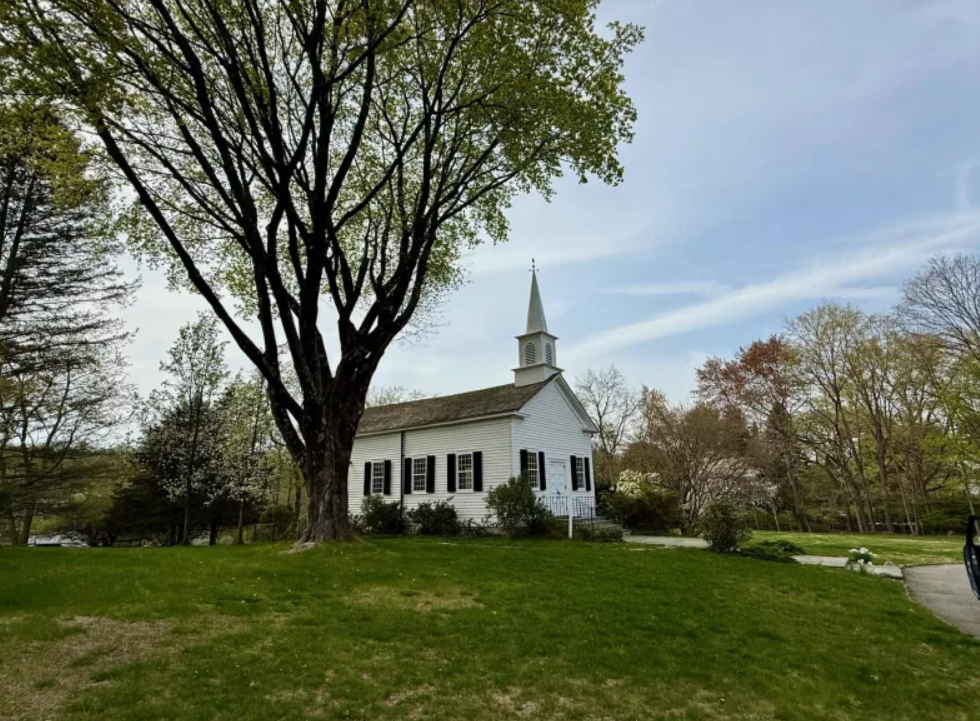
On Friday, April 25th, the historic Dingletown Church property, located at 376 Stanwich Road, was transferred to Greenwich Land Trust with the goal of protecting this special and historic place.

Greenwich Land Trust, in collaboration with the Dingletown Church leadership, crafted a robust set of preservation restrictions and a deeded conservation easement to protect the integrity of the site’s landscape, the historic character of the church building, and the pastoral beauty of the neighborhood.

The Dingletown Church’s leadership initiated this generous donation and was visionary in making this possible.

Greenwich Land Trust is currently discussing transferring the property to the Greenwich Tree Conservancy, a local environmental organization whose mission is to plant, preserve and protect the urban forests of Greenwich for the benefit of community health and quality of life.

The Greenwich Tree Conservancy would serve as the property’s long-term steward, ensuring the site is preserved in alignment with the preservation and conservation restrictions established by Greenwich Land Trust and Dingletown Community Church and made accessible to the Greenwich community in a thoughtful and meaningful way.

Read the article in the Greenwich Sentinel

Why Mature Trees Matter

By Kate Dzikiewicz

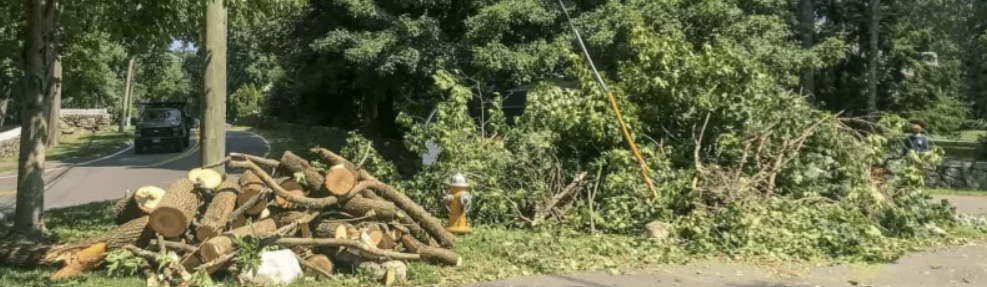
Whether large or small, property development projects in Greenwich often result in tree removal. Most of these projects now include robust planting plans to replace lost trees, and native species are chosen more often than they were in years past. It is wonderful to see urban planning and development including more environmental and ecological components, but the trend of removing mature trees and replanting young ones represents a significant blind spot. The beneficial local impact of a mature tree takes decades to achieve, and no number of saplings can replace that.

A mature tree has an extensive canopy and innumerable leaves. This makes them very effective at reducing airborne pollutants in an urban area, such as particulate matter, ozone, sulfur dioxide, carbon monoxide, and nitrogen monoxide. Some of these pollutants are absorbed by the tree and transformed into less harmful substances while others adhere to the leaves and bark of a tree and are washed away by rain. Research has shown that a tree with a 30-inch diameter trunk has around 100 times more leaf surface area than a 6-inch tree, allowing it to remove 10 times more air pollution. Most trees are planted in the 1.5 – 3-inch range, making them even less effective at cleaning the air.

Mature trees also help mitigate the urban heat island effect. Paved surfaces exposed to full sun can be 20-40 degrees hotter than shaded areas and have ambient air temperatures up to 9 degrees warmer. Large trees with wide canopies block sunlight and cool streets and buildings. The process of a tree drawing water from the soil and releasing it as vapor into the air provides even more evaporative cooling. Home and business owners experience much lower energy expenses in summer if they have large trees shading their property.

Shade cast by trees also preserves our local infrastructure. The sun’s ultraviolet rays degrade asphalt over time and makes roads brittle and prone to damage. Street trees prevent this damage and reduce road resurfacing costs by 15-60%, depending on the level of canopy coverage.

Another way that trees help our infrastructure is by diminishing stormwater runoff. Greenwich experienced a particularly rainy spring this year and we can expect increasing weather variability in the years to come. Trees help manage stormwater by improving soil permeability and absorbing water through their roots. Mature trees are about three times more effective than young trees at reducing water runoff thanks to their extensive root systems and broad canopies that slow rainfall before it reaches the ground.

Across nearly every environmental metric, mature trees deliver significantly more benefits than their younger counterparts, which take decades to reach the same size and impact. The removal of mature trees needs to be recognized as a generational loss to a community and avoided whenever possible for that reason. These trees represent the investment of many decades of patience and care which can only be replaced by an equal amount of time and attention. It may be easier to remove large trees during construction and plant new ones afterward, but with careful planning trees can often be preserved, even next to active building sites!

To protect the health of our community, reduce energy costs, and maintain a resilient environment, it is essential that we prioritize the preservation of mature trees in our urban landscapes.

Kate Dzikiewicz
Executive Director, Greenwich Tree Conservancy

Read the article in the Greenwich Sentinel